
Ledger.com/Start® | Getting started — Ledger Support
Ledger.com/start makes Ledger wallet setup easier by explaining device preparation, Ledger Live access, account management, transaction confirmation, recovery phrase protection, and secure crypto management practices.
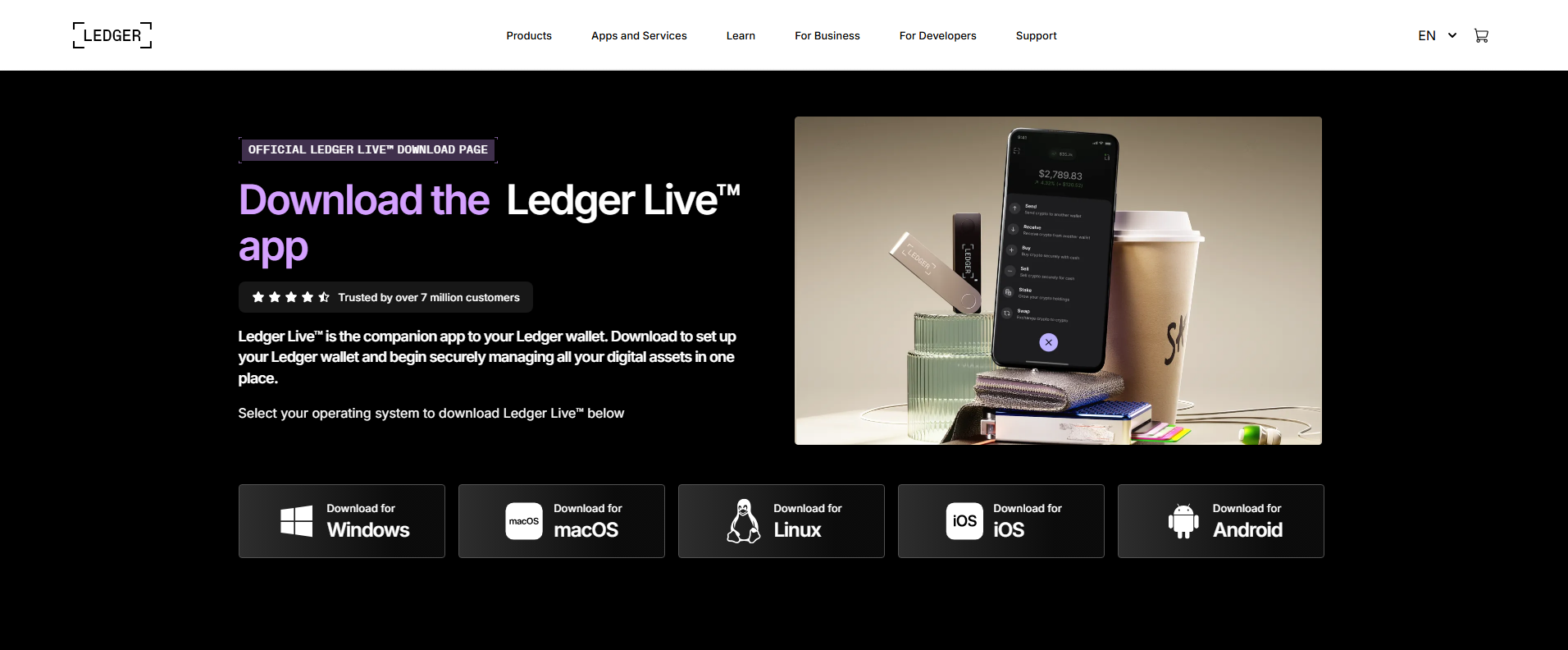
Ledger.com/start Guide: How to Set Up Your Ledger Wallet Safely
Setting up a hardware wallet is an important first step for anyone who wants greater control over their cryptocurrency. Ledger.com/start is designed to help users begin that process by connecting their Ledger device with the appropriate software and following the recommended setup instructions. For beginners, understanding what happens during setup can make the experience much easier and less confusing.
A Ledger hardware wallet is designed to keep private keys isolated from the computer or phone used to manage cryptocurrency. However, the security of the wallet also depends on how carefully the owner handles the device, PIN, and recovery information.
What Is Ledger.com/start?
Ledger.com/start is a setup destination associated with Ledger hardware wallets. It helps users begin the device configuration process and access the software needed to interact with a Ledger wallet.
When starting the process, users should pay close attention to the website address they visit. Cryptocurrency scams often imitate popular wallet brands using websites, applications, advertisements, and support messages that appear legitimate. Using the official Ledger website rather than an unknown third-party source is an important security precaution.
Why Use a Ledger Hardware Wallet?
Cryptocurrency stored through a hardware wallet can benefit from keeping the private keys within a dedicated physical device. Instead of relying entirely on the security of a computer or smartphone, the Ledger device provides an additional layer between the private keys and the connected environment.
The wallet can be used with compatible software to view accounts, monitor balances, manage supported assets, and approve transactions. Importantly, transactions should be reviewed directly on the hardware wallet before confirmation.
This approach gives users more control while encouraging them to take responsibility for protecting their wallet credentials.
Start the Ledger Wallet Setup
Before beginning, place your Ledger device somewhere private and make sure you have enough uninterrupted time to complete the setup.
Visit Ledger.com/start through a trusted browser and follow the current instructions provided for your device. You may be directed to install Ledger's wallet software on your supported computer or mobile device.
After installing the application, connect your Ledger hardware wallet and follow the instructions displayed on the device. The exact screens and options can vary depending on the Ledger model and software version, so it is better to follow the instructions presented for your specific device rather than relying on outdated tutorials.
Create Your Device PIN
During a new wallet setup, the Ledger device will ask you to establish a PIN. This PIN helps prevent unauthorized access to the physical device.
Choose a PIN that you can remember but that other people cannot easily guess. Never tell anyone your PIN, and do not write it somewhere that can be easily discovered alongside your hardware wallet.
If your device asks for a PIN during setup, enter it directly on the device rather than giving it to another person.
Secure Your Secret Recovery Phrase
The recovery phrase is one of the most sensitive parts of a cryptocurrency wallet.
When a new Ledger wallet is initialized, the device generates a Secret Recovery Phrase. These words provide a backup mechanism for restoring access to the wallet. Because of this, they must be protected with extreme care.
Write the words down exactly as they are displayed and keep the backup in a secure offline location. Do not take a screenshot, photograph the phrase, store it in a notes application, upload it to cloud storage, or send it through email or messaging services.
Most importantly, never share your recovery phrase with anyone. Legitimate support should not ask you to provide it.
Install Supported Crypto Applications
Once the initial device configuration is complete, you can begin setting up accounts for supported cryptocurrencies through the Ledger software.
Different blockchain networks require different applications or account configurations. The software can guide you through the available options based on the assets you want to manage.
It is a good practice to install only the applications you actually need and keep your wallet software and device firmware maintained according to official instructions.
Check Every Transaction Carefully
A hardware wallet does not eliminate the need for careful decision-making.
Before approving a transaction, review the details shown on the Ledger device itself. Pay particular attention to the destination address and transaction amount. Malware or phishing attacks can attempt to manipulate information displayed on a connected computer.
If something looks different from what you expected, stop and investigate before confirming the transaction.
Avoid Common Ledger Wallet Scams
New cryptocurrency users should be particularly cautious about fake support accounts and fraudulent websites. A scammer may claim that a wallet has been compromised and request the recovery phrase to “fix” the problem.
Never provide your recovery phrase or PIN in response to such a request.
Be equally careful with search advertisements, unsolicited messages, fake applications, and websites that use similar-looking domain names. Bookmarking the legitimate Ledger website can also reduce the chance of accidentally visiting a fraudulent page.
Final Thoughts
Ledger.com/start can serve as a practical starting point for configuring a Ledger hardware wallet and learning the basic steps involved in managing digital assets. The process is relatively straightforward when approached carefully: access the legitimate website, install the appropriate software, initialize the device, create a private PIN, protect the recovery phrase, and verify transactions before approving them.
The most important lesson is that cryptocurrency security is not only about the hardware. Your everyday habits matter just as much. Keeping your recovery phrase private, avoiding suspicious websites, and carefully reviewing transactions can help create a safer long-term wallet experience.
Updated about 4 hours ago